Common problems Erith gardeners face on overgrown plots
Overgrown gardens look simple from the gate: a few tall weeds, a hedge that has run away with itself, maybe a lawn that has turned into something closer to a meadow. In reality, Common problems Erith gardeners face on overgrown plots can be messy, time-consuming, and a bit unpredictable. One job might be all brambles and no access. Another might hide broken fencing, soggy ground, or stubborn roots that laugh at a standard mower.
If you are dealing with a neglected plot in Erith, the challenge is not just making it look neat again. It is getting the space safe, manageable, and ready for proper maintenance without creating more work later. This guide breaks down the practical issues, the usual mistakes, and the best way to approach an overgrown garden so you can get control of it properly, not just skim the surface.
Along the way, we will look at what makes these jobs tricky, when to use specialist help, and how services such as garden clearance or routine garden maintenance can save time and reduce hassle. Let's face it, once a plot gets seriously overgrown, the job is rarely just "cut it back and done".
Table of Contents
- Why this matters in Erith
- How overgrown plot clearance actually works
- Key benefits of tackling it properly
- Who needs this and when it makes sense
- Step-by-step guidance
- Expert tips for better results
- Common mistakes to avoid
- Tools, resources and recommendations
- Law, compliance, standards, or best practice
- Options and methods compared
- Real-world example
- Practical checklist
- Conclusion
- Frequently Asked Questions
Why Common problems Erith gardeners face on overgrown plots Matters
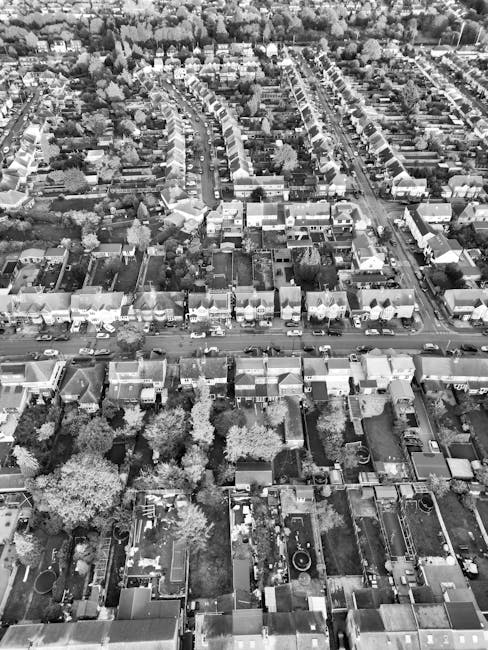
Overgrown plots are not just untidy. They can affect safety, access, drainage, neighbour relations, and the long-term health of the garden. In a place like Erith, where many gardens have mature boundaries, narrow side access, or older features tucked out of sight, problems can build quietly for months before anyone notices. Then, all at once, the place feels overwhelming.
The big issue is that overgrowth changes the job from standard upkeep into recovery work. That means the usual mowing, trimming, or weeding routine may no longer be enough. You may need to clear a path before you can even inspect the plot properly. You may also discover hidden hazards such as sharp debris, unstable timber, or damaged paving. Bit by bit, the work becomes less about appearance and more about creating control.
It matters because the longer a garden is left, the more expensive and difficult the recovery can become. Thick brambles can root deeply. Shrubs can become woody and unmanageable. Lawn areas can be smothered. And if water cannot drain correctly, patches of the plot may become muddy and compacted. Nobody enjoys wrestling with a garden that fights back, but that is often what an overgrown site does.
There is also the question of confidence. A garden that feels wild and unmanageable tends to stay that way because people do not know where to start. A clear plan changes that. Services such as services overview can help you understand the different kinds of work that may be needed, from one-off clearance to ongoing maintenance and restructuring.
Key takeaway: The real value of dealing with an overgrown plot is not just neatness. It is restoring access, safety, and a workable starting point for everything that comes next.
How Common problems Erith gardeners face on overgrown plots Works
The process usually starts with assessment, not cutting. That sounds obvious, but it is where many problems are avoided. A quick walk-through tells you what type of overgrowth is present, how much can be cut back safely, and whether the space contains hidden obstacles. Is it mostly soft growth like grass and weeds, or are you dealing with dense shrubs, self-seeded trees, and ivy climbing over sheds? The answer changes the whole approach.
Once the site is assessed, the work normally moves in stages:
- Clear access first. Paths, gates, and working areas are opened up so the rest of the plot can be reached safely.
- Reduce bulk growth. Tall grass, brambles, and unwanted vegetation are cut down in manageable sections.
- Remove waste. Cuttings, woody stems, and debris are gathered and disposed of properly.
- Check for hidden issues. This is when broken fencing, buried rubbish, damaged decking, or unstable branches often come to light.
- Shape the space. Hedges, shrubs, and boundary areas are brought back under control so the garden starts to look intentional again.
- Set up maintenance. Without follow-up care, the same problems return fast, sometimes in just one season.
In practice, overgrown plots often reveal more than one problem at the same time. A lawn may be hidden under weeds. A hedge may be too tall, but also too wide. A tree may need pruning, but only after the surrounding growth is cleared enough to inspect it properly. That layered nature is what makes these jobs feel bigger than they first look. Truth be told, they usually are.
If trees are part of the problem, especially where branches are shading out the rest of the garden or hanging too low, specialist tree lopping and removal may be needed. For boundary growth that is swallowing the edges of the plot, hedge trimming is often one of the first visible wins.
Key Benefits and Practical Advantages
The obvious benefit is that the garden looks better. But if you stop there, you miss the real value. A properly handled overgrown plot becomes easier to maintain, safer to use, and more enjoyable to spend time in. You also reduce the chance of the work spiralling into a bigger and bigger task every few months.
- Safer access: Clear paths mean fewer trips, fewer hidden obstacles, and less risk when moving tools or waste.
- Better visibility: You can see broken paving, damaged fences, dead branches, or drainage problems once the clutter is gone.
- Healthier growth: Cutting back overcrowded growth allows light and air to reach plants that are worth keeping.
- Easier upkeep: A reset garden can usually be maintained with lighter, more regular care afterwards.
- Improved use of space: Even a modest plot starts to feel usable again once the overgrowth is under control.
There is also a quiet psychological benefit. A garden that feels impossible often gets ignored. One that feels manageable gets looked after. That shift matters. People tend to care more about spaces they can actually see and use.
For some plots, the right follow-up may include lawn mowing, pruning, and selective replanting rather than a full rebuild. For others, especially where the garden has been left for a long time, a combination of landscaping and ongoing care gives the best long-term result.
Who This Is For and When It Makes Sense
This kind of work is for anyone looking at a garden and thinking, "Where on earth do I start?" That includes homeowners, landlords, letting agents, property managers, and people preparing a home for sale. It also makes sense if you have inherited a property, taken over a rental, or simply had a busy year and the garden got away from you. Happens to the best of us.
You may need this approach if:
- the garden is hard to walk through without pushing aside growth;
- you cannot properly inspect fences, sheds, paving, or beds;
- you are dealing with brambles, weeds, or coarse grass that standard mowing will not handle well;
- hedges and shrubs have grown into each other or over public-facing boundaries;
- there is a mix of soft growth and woody growth, making simple mowing ineffective;
- you want to restore the garden before starting a new design or planting plan.
It also makes sense when the job is bigger than your available time, equipment, or energy. A small patio with a few weeds might be a weekend project. A neglected back garden with dense growth, broken waste, and unclear access is another thing entirely. In those cases, using a structured service can save a lot of false starts.
If you are planning more than a clean-up, the next stage may involve landscape gardening to reshape the plot properly once the heavy clearing is done.
Step-by-Step Guidance
Here is a sensible way to approach an overgrown plot without making it harder than it already is. You do not need to rush. In fact, rushing is how people cut the wrong thing, miss hazards, or create a pile of waste they cannot move. A calm first pass usually wins.
- Walk the site carefully. Look for glass, metal, holes, loose stones, unstable branches, and hidden boundaries.
- Identify what stays and what goes. Some growth may be worth saving, even if the plot looks chaotic right now.
- Clear access routes. Start with the areas you need for moving, lifting, and stacking waste.
- Cut back in stages. Tackle the tallest, thickest growth first so you can see the lower layers.
- Separate waste as you go. Green waste, woody material, and general debris are easier to manage when grouped early.
- Check for structural issues. Fences, decking, sheds, gates, and paving often need inspection once the area is visible.
- Finish with shaping and tidying. A neat edge, trimmed hedge, or cleared border makes the whole garden feel more intentional.
- Plan follow-up care. If you skip this, the garden tends to slide back quickly.
The main thing is not to treat every patch the same. A lawn, a border, a hedge line, and a self-seeded tree are four different jobs. One tool and one approach rarely solve all four. That is why a mix of mowing, trimming, clearance, and sometimes repair work is often needed.
A small practical example
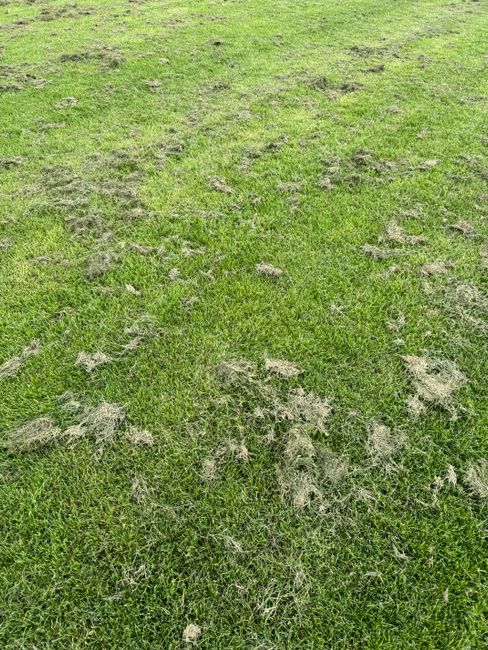
Picture a side-return garden that has not been touched for a season or two. The path is half hidden, the hedge leans out, and the lawn is patchy under a mat of weeds. A quick mow would barely make a dent. But once the access is cleared, the hedge reduced, and the waste removed, the lawn can be assessed properly. Then you know whether it needs feeding, reseeding, or a more complete renovation.
Expert Tips for Better Results
In our experience, the best results come from keeping the first phase very practical. Do not start by trying to make the garden pretty. Start by making it workable.
- Work from the outside in. Boundaries, paths, and access points usually need attention before the centre of the plot.
- Use the right cutting height. Taking too much off at once can stress plants or leave a lawn looking scalped and patchy.
- Look twice before cutting. Hidden wildlife, nesting areas, or fragile structures can be easy to miss in dense growth.
- Keep waste moving. Letting cuttings pile up slows the job and blocks access. It also makes everything feel worse, somehow.
- Do not ignore the root cause. If poor light, drainage, or awkward access caused the neglect, those issues should be addressed too.
- Use maintenance intervals. Small, regular visits are easier than dramatic rescues every year or two.
Another useful habit is taking photos before and after each stage. Not for show. Just for clarity. It helps you see what has been done, what remains, and what needs follow-up. When the job is large, memory gets fuzzy fast, especially after a wet afternoon and a van full of branches.
If the project includes hard surfaces or outdoor structures, you may want to think beyond the plants. Services such as decking services can become relevant if boards have been covered by growth or need repair after clearance.
Common Mistakes to Avoid
Most problems on overgrown plots are made worse by well-meant but rushed decisions. The biggest one is starting in the wrong place. People often cut the easiest visible bit first, then realise they have blocked their own access to the real problem. Annoying, but common.
- Using the wrong tool for the growth. A domestic mower will not solve thick brambles or woody stems.
- Cutting everything at once. This can remove useful structure and make it harder to separate what should stay.
- Forgetting disposal. Clearing is only half the job if waste is left on site.
- Skipping a hazard check. Hidden nails, broken glass, or unstable branches are easy to miss in dense growth.
- Neglecting hedge lines and borders. These shape the whole look of the garden, and if they are left, the plot still reads as overgrown.
- Not planning aftercare. A one-off rescue without maintenance is usually temporary.
There is also a subtle mistake: assuming the garden is "too far gone" and therefore not worth tackling. That is rarely true. Even very rough plots can often be brought back in stages. You might not get perfection on day one, but you can absolutely get progress. And progress is what changes the mood of the whole space.
Tools, Resources and Recommendations
The right tools depend on the condition of the plot. For light overgrowth, you may need little more than pruning tools, a mower, and a reliable way to collect waste. For heavier clearance, more robust equipment and better protective gear become important. The point is not to own everything. It is to match the equipment to the job.
| Problem on the plot | Useful approach | What to watch for |
|---|---|---|
| Long grass and weeds | Mowing, strimming, edging | Hidden stones, uneven ground, damp patches |
| Brambles and thick scrub | Cut back in sections, then remove roots where appropriate | Sharp thorns, rebound growth, blocked access |
| Overgrown hedges | Reduction and shaping | Nesting birds, property boundaries, public visibility |
| Small self-seeded trees | Assess size and location before removal | Roots near hard surfaces, nearby structures |
| General neglected plot | Structured clearance and waste removal | Hidden rubbish, broken fencing, drainage issues |
For regular upkeep after the clear-out, a simple routine matters more than fancy kit. A decent mower, hand pruners, sturdy gloves, and a plan for waste removal can go a long way. For more intensive work, use professional help rather than trying to improvise. That is not a defeat. It is just common sense.
If you want to understand how ongoing visits are usually organised, the page on garden maintenance is a good starting point. And if you prefer to keep your garden work aligned with the company's broader approach, you can also review recycling and sustainability to see how green waste and materials are handled responsibly.
Law, Compliance, Standards, or Best Practice
This kind of work is mostly guided by good practice, safety awareness, and respect for neighbouring properties. There is no single simple rulebook for every overgrown garden, but there are a few sensible standards to keep in mind.
First, safety comes before speed. If a plot contains sharp waste, unstable structures, or large branches, the job should be approached carefully and with appropriate protective equipment. Second, avoid damaging shared boundaries, fences, or any plants and structures that are not yours. Third, be mindful of noise, access, and waste handling, especially in built-up residential streets where a tidy, considerate job makes life easier for everyone nearby.
In the UK, responsible garden work also means thinking about waste separation, disposal, and environmental care. Green waste should be handled appropriately, and if material can be recycled or reused, that is usually preferable to treating everything as rubbish. If a job involves larger items, broken timber, or structural removal, clear communication about what will be removed and what will remain is a best-practice expectation.
For customers who want reassurance about service standards, it can also help to review pages covering insurance and safety and health and safety policy. These are not glamorous reads, admittedly, but they do matter when the work is heavy, awkward, or potentially risky.
Options, Methods, or Comparison Table
There are a few practical ways to deal with an overgrown plot. The right choice depends on how far things have gone and what you want the space to become afterwards.
| Method | Best for | Pros | Limitations |
|---|---|---|---|
| DIY light clearance | Small to moderate overgrowth | Low cost, flexible timing | Time-consuming, physically demanding, easy to underestimate |
| One-off professional clearance | Heavy overgrowth or hidden hazards | Fast reset, safer handling, better waste control | Usually needs follow-up maintenance |
| Regular maintenance visits | Gardens that have already been restored | Prevents regrowth, keeps the plot tidy | Does not solve severe neglect on its own |
| Clearance plus landscaping | Plots needing reshaping or redesign | Long-term improvement, better use of space | More planning and coordination required |
For many Erith gardens, the most sensible path is a combination. First clear the chaos, then maintain what remains, then improve the layout if needed. Simple idea. Not always simple work. But it does hold together well.
Case Study or Real-World Example
Imagine a typical back garden in Erith after two growing seasons of neglect. The owner has been busy, the hedge has thickened, the lawn is no longer visible in places, and brambles have started to creep into the border. The side access is narrow, so getting waste out will already be awkward. The first visit is spent opening up a route, trimming the hedge enough to expose the boundary, and clearing the most aggressive growth from the lawn area.
Once the bulk vegetation is removed, the real picture appears. A cracked edging stone needs replacing. A section of fencing is leaning. There is an old pile of material behind a shed that nobody had seen for months. Now the job can be prioritised properly instead of guessed at. The next stage is a lighter reset: mow the lawn, tidy the borders, remove the remaining waste, then set a follow-up schedule so the garden does not drift back.
That is the thing about overgrown plots. The visible problem is rarely the whole story. Usually there is a hidden second layer, and sometimes a third. Clear it properly and the garden becomes honest again. You can work with it, not against it.
Practical Checklist
Use this before you start work on a neglected garden:
- Check for hidden debris, sharp objects, and unstable branches.
- Identify any plants, shrubs, or features you want to keep.
- Make sure paths and working access are clear first.
- Choose the right method for grass, scrub, hedges, or small trees.
- Plan where cuttings and waste will go.
- Inspect fences, sheds, paving, decking, and borders once visible.
- Separate clearance from longer-term improvement work.
- Arrange follow-up maintenance so the plot stays manageable.
- Keep protective equipment and water to hand, especially on warm days.
- Stop and reassess if the site reveals structural damage or unsafe growth.
A quick checklist like this sounds basic, but it stops a surprising number of headaches.
Conclusion
The common problems Erith gardeners face on overgrown plots usually come down to access, hidden hazards, mixed growth types, waste handling, and the sheer scale of the job once it has been left too long. The good news is that every one of those issues can be tackled in a sensible order. First make the plot safe and visible. Then clear what needs clearing. Then shape, repair, and maintain.
When the work is approached properly, an overgrown plot stops being a burden and starts becoming a usable space again. It may take a bit of patience, and sometimes a bit of grit too, but the difference is real. One morning of hard work can change how a whole garden feels by the afternoon. That is a nice thing to see, honestly.
If you are ready to get your garden back under control, explore the available services overview and see which approach suits your plot best. If you are comparing options or thinking ahead to the next stage, you may also want to review pricing and quotes before moving forward.
Get a free quote today and see how much you can save.
Frequently Asked Questions
What are the most common problems on an overgrown garden plot?
The biggest issues are limited access, thick weeds or brambles, hidden waste, damaged edges, and not knowing what can be cut safely. Often there is more going on underneath than you first expect.
Why do overgrown gardens in Erith become difficult so quickly?
Because once growth gets dense, light and access drop off fast. Grass weakens, weeds spread, hedges thicken, and the garden becomes harder to work in. That creates a cycle of avoidance, which is very normal really.
Can I just mow an overgrown plot and be done with it?
Sometimes, but not usually. If the garden has brambles, woody stems, self-seeded trees, or hidden debris, mowing alone will not solve the problem. You need a proper assessment first.
How do I know if a plot needs clearance rather than simple maintenance?
If you cannot move through the garden easily, cannot see the boundaries, or find yourself dealing with heavy scrub and mixed waste, it is probably a clearance job first, maintenance job second.
Is it safe to tackle a very overgrown garden myself?
Light overgrowth, yes, if you take care. Heavy or unfamiliar growth is different. If you are dealing with hidden hazards, unstable branches, or awkward access, it is better to slow down and get proper help.
What should be cleared first on an overgrown plot?
Start with access routes, then the biggest and most obstructive growth. That usually means paths, gates, hedge edges, and tall weeds before anything else. It sounds simple, but it saves time.
Do overgrown gardens always need full landscaping afterwards?
No. Some plots just need clearance and regular upkeep. Others benefit from a redesign if the layout is poor or the space is awkward to use. It depends on the end goal.
What happens to the green waste from a clearance job?
It should be collected and handled responsibly, with recycling or disposal arranged according to the service setup. Good waste handling is part of a proper job, not an optional extra.
How often should an already-cleared garden be maintained?
That depends on the growth rate and the size of the plot, but regular visits are usually easier than letting it slip again. Even a light schedule can make a big difference.
Are hedges and trees part of the same overgrowth problem?
Very often, yes. Hedges can spread outward and upward, while small trees or heavy branches can block light and access. That is why hedge trimming and tree work are sometimes needed alongside clearance.
What is the main mistake people make with neglected gardens?
They start with appearance instead of access. If you cannot see what is there, you cannot really manage it properly. Clear the site first, then decide what comes next.
Where can I find more about the company's working standards?
You can review the pages on about us, insurance and safety, and health and safety policy for a better sense of how work is approached and managed.
In the end, a difficult garden is still a garden, not a lost cause. Give it a structured start, a careful middle, and a steady finish, and it can come back beautifully.