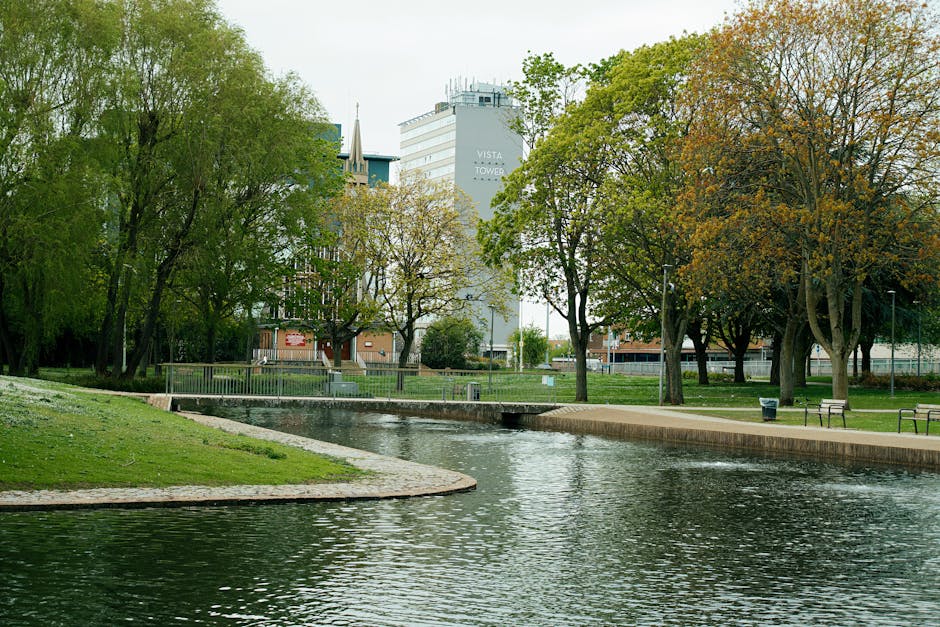
Erith Riverside gardeners for Thames bank properties
If you own or manage a Thames bank property in Erith Riverside, the garden is not just a nice extra. It is part of the property's first impression, day-to-day usability, and long-term upkeep. Salt-laced winds, damp ground, exposed planting beds, compact riverside plots, and occasional debris from the water all shape what works and what doesn't. That is why Erith Riverside gardeners for Thames bank properties need a slightly different mindset from standard suburban garden care. The right approach is careful, practical, and properly maintained over time.
This guide breaks down what riverside gardening actually involves, how it works in real life, and what to look for if you want dependable results rather than quick fixes. You will also find a clear checklist, a comparison table, and a realistic example of how a well-run riverside garden plan usually comes together. Let's face it, on the Thames edge, a garden can look calm and effortless only because someone has kept on top of the messy bits in the background.
Why Erith Riverside gardeners for Thames bank properties Matters
Riverside gardens behave differently. That sounds obvious, but people still treat them like any other plot until the first signs of trouble show up: wind-battered shrubs, patchy lawns, blocked drainage, slippery paths, or planting that looks healthy for a week and then sulks through the next damp spell. Near the Thames, the microclimate matters. Exposure is usually higher. Soil can stay wetter. Growth patterns can be a bit uneven. And if the property sits close to footpaths or shared access routes, tidiness matters just as much as plant health.
In practical terms, gardeners working on Thames bank properties in Erith Riverside need to think about more than appearance. They need to think about durability, drainage, access, and the ongoing effect of wind and moisture. A hedge that would be fine on a sheltered terrace can become messy and tired-looking near open river air. A lawn that copes elsewhere may need more careful mowing, aeration, and feeding to avoid thinning out. Even simple border work can become a balancing act between neatness and resilience.
There is also the property value side of things. A well-kept riverside garden can make a home or managed property feel calmer, cleaner, and more premium. A neglected one tends to stand out fast because there is so much visibility along the river corridor. If you have ever walked past a garden where wind-blown leaves, tangled hedges, and tired edging quietly took over, you already know the effect. It is not dramatic. Just disappointing.
Expert summary: riverside garden care is about keeping the space attractive while helping it survive the local conditions. The best outcomes come from regular maintenance, plant choices that suit exposure, and a clear seasonal plan rather than one-off tidy-ups.
How Erith Riverside gardeners for Thames bank properties Works
Good riverside garden care usually starts with an assessment. Not a formal ceremony, just a close look at what the site actually does through the week and through the seasons. Where does water sit after rain? Which side takes the strongest wind? Which areas get shade from nearby buildings, and which are fully exposed? Those details shape every decision after that.
From there, a sensible plan often includes routine maintenance, targeted improvements, and seasonal jobs. For example, a property near the Thames may need a lighter but more frequent lawn programme, because wet ground and heavy foot traffic can compact the soil faster. Hedges may need more frequent trimming to avoid looking ragged. Beds may benefit from mulch to help retain moisture while also keeping weeds down. And if there is decking or other hard landscaping, the surfaces need checking for algae and slick patches. Nobody wants a lovely garden that turns into a skating rink after a damp morning.
Where the garden includes trees, larger shrubs, or taller boundary planting, the work may extend into careful reduction or removal. That is not about hacking things back for the sake of it. It is about keeping wind resistance sensible, maintaining light levels, and preventing overgrowth from shading out lower planting or encroaching on neighbouring spaces. If you are planning heavier work, it helps to understand the broader service range on offer through the full services overview.
Many properties benefit from a combination of recurring maintenance and occasional specialist tasks. That might mean a routine visit for mowing and edging, then a separate visit for hedge trimming, or a seasonal reset using garden clearance if the space has got away from you a bit. Different gardens need different rhythms. Truth be told, the perfect plan is rarely the same twice.
Key Benefits and Practical Advantages
The main benefit is obvious: a better-looking garden. But on Thames bank properties, the value goes deeper than presentation. Properly managed gardens are usually easier to live with, safer to walk through, and cheaper to rescue later because problems are spotted early.
- Better resilience: planting, lawn care, and soil management are adapted to river-edge conditions rather than guessed.
- Cleaner presentation: edges, paths, hedges, and beds stay sharp, which matters a lot in highly visible riverside settings.
- Less reactive work: regular upkeep reduces the need for dramatic, time-consuming fixes later on.
- Safer access: slippery surfaces, hidden trip hazards, and blocked routes are easier to manage.
- Improved seasonal performance: gardens usually cope better through wet winters, breezy springs, and dry spells when the basics are handled consistently.
There is a quieter advantage too: peace of mind. If you are a homeowner, landlord, letting agent, or property manager, it helps enormously to know that the garden is not drifting. You do not want to discover in late summer that the lawn has vanished under weeds, or that a hedge has grown into next door's line of sight. It happens. More than people admit.
For property portfolios, reliable maintenance can also help create a consistent standard across multiple homes. That consistency matters on riverside stretches where one tired-looking frontage can spoil the feel of an otherwise well-kept row. A neat garden reads as care, and care tends to influence how people perceive the whole property.
Who This Is For and When It Makes Sense
This kind of garden support makes sense for a few different groups.
- Homeowners who want their riverside garden to look good without constant weekend catch-up work.
- Landlords who need outdoor spaces to stay presentable between tenancies or inspections.
- Managing agents looking after shared grounds, access edges, or small communal areas.
- Older properties where planting has become established but needs regular control.
- Newly landscaped homes that need maintenance to protect the investment made in them.
It also makes sense if you have a garden that looks fine from a distance but feels awkward to use up close. Maybe the path edges are getting fuzzy, the lawn is too wet underfoot, or the border plants are not holding their shape. Maybe the river breeze keeps knocking things about and you just cannot get the tidy finish you want. That is exactly the point where a more structured maintenance approach starts to pay for itself.
If the site needs more than maintenance, there is no shame in that either. Some Thames bank gardens need a reset before they can be maintained properly. In those cases, a mix of garden maintenance, landscape gardening, or broader landscaping may be the better route. It depends on the starting point. And yes, starting points matter a lot.
Step-by-Step Guidance
If you are planning work for a Thames bank property, the best way to approach it is methodically. Not fancy. Just steady.
- Assess the site properly. Look at exposure, drainage, access, shade, and the condition of existing planting. Note where water gathers after rain and where wind hits hardest.
- Separate urgent work from maintenance work. A blocked path, broken branch, or overgrown hedge comes first. Planting improvements and longer-term changes come after that.
- Set the maintenance rhythm. Some gardens need weekly touchpoints during peak season, while others can run on a lighter schedule. There is no single magic number.
- Deal with the hard surfaces. Paths, edging, decks, and seating areas should be cleaned and checked because riverside damp can quickly make them look tired.
- Sort the lawn properly. Mowing height, edging, feeding, and watering should reflect the site conditions rather than a generic routine. For regular turf care, lawn mowing is often the backbone of a tidy appearance.
- Bring hedges and shrubs back into shape. Wind-exposed growth often needs more shaping than sheltered planting. That is normal. A bit of structure goes a long way.
- Schedule seasonal review points. Reassess in spring, mid-summer, and autumn so the garden is not being run on autopilot.
A simple example: a river-facing terrace with patchy lawn, an overgrown laurel hedge, and slippery paving might need mowing, hedge reduction, pressure-free surface cleaning, and some border reshaping before anything decorative is added. If the layout is awkward, start with function, then beauty. Usually the right order, anyway.
Expert Tips for Better Results
Riverside gardens reward restraint and consistency. If you try to force a high-maintenance style into a windy, damp setting, the garden will push back. Quite hard sometimes.
- Choose plants that tolerate exposure. Soft, delicate planting can struggle where wind and saltier air are part of the picture.
- Mulch at the right time. A protective mulch layer can help stabilise moisture and reduce weeds, especially in beds that dry unevenly.
- Keep edges crisp. On properties that back onto the Thames, tidy line work makes a bigger visual difference than people expect.
- Do not let the lawn get too long. Long grass on a damp site can quickly turn matted or patchy when cut too aggressively later.
- Check hidden corners. Riverside gardens often have sheltered pockets where debris, moss, and weeds settle first.
- Work with the weather window. After a run of damp days, it is usually better to wait for a sensible surface condition than to rush and damage the soil.
One small but useful habit: stand at the gate or main entrance and look back at the property as a visitor would. That angle tells you a lot. If the first thing you notice is a leaning shrub, messy edge, or stained paving slab, the job needs attention there before anywhere else. It sounds simple because it is simple.
And if you are managing more than one riverside property, create a repeatable standard. Same edging style, same hedge finish, same lawn height range, same seasonal checks. Consistency saves mental energy. Also, it looks better. A lot better.
Common Mistakes to Avoid
Most problems with Thames bank gardens do not come from one giant mistake. They come from a series of small ones that quietly stack up.
- Cutting everything too hard. Over-pruning can leave planting stressed, especially in exposed conditions.
- Ignoring drainage symptoms. Standing water, mud, or spongey turf are warnings, not cosmetic annoyances.
- Using the wrong mowing routine. Too low, too infrequent, or too aggressive cuts can damage lawn quality.
- Choosing high-maintenance plants without a support plan. Lovely in theory, costly in reality.
- Leaving hedge work too long. Once a hedge becomes overextended, shaping it neatly is harder and often less attractive.
- Forgetting the hard landscaping. Decking and paving often matter as much as the planting itself in riverside settings.
There is also the classic mistake of treating a riverside garden as a one-off project. It rarely is. The environment keeps changing, and the garden responds. If maintenance stops for too long, the space usually loses shape faster than expected. A month can make a surprising difference in spring, especially after rain and wind have had their way with everything.
Tools, Resources and Recommendations
The right tools do not need to be flashy. In fact, plain reliable kit is usually best for riverside work because it is easier to keep consistent results from one visit to the next.
| Need | Useful approach | Why it helps on Thames bank properties |
|---|---|---|
| Lawn care | Regular mowing, edging, and seasonal feeding | Keeps grass healthy where moisture and wear can cause patchiness |
| Boundary control | Routine hedge trimming and shrub shaping | Prevents the garden from looking wind-torn or overgrown |
| General tidy-up | Scheduled clearance of leaves, debris, and cuttings | Stops damp build-up and keeps paths safer |
| Structure and use | Consider simple landscaping improvements where access or layout feels awkward | Makes the garden easier to live with day to day |
| Slippery surfaces | Inspect decking, paving, and steps regularly | Reduces the chance of slick patches becoming a problem |
If the garden has accumulated debris, old cuttings, or clutter after a long quiet period, a structured garden clearance can be the cleanest way to reset it. If the outdoor space includes timber features or you are considering a refresh, decking services may also be relevant, especially where the brief includes safer, more usable outdoor areas.
For planning and budgeting, the page on pricing and quotes is a sensible starting point. And if you want to understand how the business approaches service delivery more broadly, about us gives a useful sense of the company background and working style.
Law, Compliance, Standards and Best Practice
For most garden maintenance work, the practical focus is on safe working, responsible waste handling, and respect for property boundaries. On Thames bank properties, that matters just as much as the visual result. If work involves trees, larger branches, or anything close to access routes, it is sensible to approach it carefully and within normal UK safety expectations.
Best practice usually includes clear communication before work starts, an agreed scope, and a sensible plan for tools, site access, and waste removal. If you are comparing providers, it is fair to ask how they handle safety and whether they carry appropriate cover. The page on insurance and safety is useful if you want to understand the business side of that reassurance. You can also review the health and safety policy for a clearer picture of working standards.
For disposal and green waste, responsible handling is part of good practice too. Riverside projects can generate a surprising amount of cuttings and debris, especially after clearance work or hedge reductions. Recycling and sensible disposal are not glamorous, but they are part of doing the job properly. The site's recycling and sustainability information reflects that practical side of the work.
If you are a resident, landlord, or managing agent, the simple rule is this: choose a provider that is clear about scope, safe working, and how the site will be left afterwards. No drama, no mystery. Just competence, really.
Options, Methods and Comparison Table
Not every riverside property needs the same level of attention. Some are best served by repeat maintenance, while others need a reset first. Here is a simple comparison to help you think it through.
| Approach | Best for | Strengths | Limitations |
|---|---|---|---|
| Routine maintenance | Already tidy properties that need consistency | Stable appearance, lower surprise factor, easier budgeting | Won't solve deeper layout or overgrowth issues on its own |
| Seasonal visits | Properties with lighter usage or slower growth cycles | Good for spring, summer, and autumn tune-ups | Can allow problems to build between visits |
| Clearance then maintenance | Gardens that have been neglected or overrun | Creates a fresh starting point and restores control | Higher upfront effort before the easy part begins |
| Landscape-led improvement | Spaces with awkward layout, poor access, or ageing features | Can improve usability and long-term value | Usually needs more planning and coordination |
In many cases, the strongest option is not one of these alone. It is a blend. A garden might need a full clear-out once, then routine mowing and hedge trimming after that. Or a hardscape refresh first, then planting maintenance later. The point is to match the work to the real condition of the site, not the ideal version in your head.
Case Study or Real-World Example
Here is a practical example. Imagine a compact Thames-facing property in Erith Riverside with a strip lawn, boundary hedge, planting beds, and a small paved sitting area. The owners like the garden, but they have been away for part of the season, and it has drifted. The lawn is uneven, the hedge edges are soft, and damp shade has started to encourage moss on the path.
A sensible first visit would not try to do everything at once. The team would clear debris, trim the hedge back into shape, mow the lawn carefully, remove dead growth from the beds, and check the path for slippery patches. After that, they might suggest a follow-up schedule that keeps the lawn on track, brings the hedge into a better cycle, and adds a little more structure to the planting.
Nothing glamorous. But the difference is noticeable. The garden starts to feel intentional again. You can open the back door without mentally apologising for the view. The sitting area becomes usable, the hedge stops leaning into the space, and the whole property feels calmer. That kind of improvement is often less about a dramatic makeover and more about getting the basics right. Which, to be fair, is usually what matters most.
Practical Checklist
Use this checklist before booking work or planning your next round of maintenance for a Thames bank property.
- Check where wind and damp are affecting the garden most.
- Look for signs of poor drainage, moss, or compacted soil.
- Decide whether the garden needs maintenance, clearance, or both.
- Review hedge height, spread, and boundary lines.
- Inspect lawn condition, especially patchiness and wear.
- Look closely at paving, decking, steps, and access routes.
- Note any overgrown or unsafe branches.
- Think about seasonal timing before major planting or cutting work.
- Ask how waste will be handled and removed.
- Confirm the scope in plain language so nothing gets missed.
Quick takeaway: if the property sits near the Thames, maintenance should be planned around exposure, moisture, and visibility. That one shift in thinking often makes the garden easier to manage and much easier to live with.
Get a free quote today and see how much you can save.
Conclusion
Erith Riverside gardens need care that respects the river setting. The best results come from regular attention, practical plant choices, and a willingness to tackle the unglamorous details before they become bigger problems. Whether you are maintaining a family garden, managing a rental, or improving a visible frontage along the Thames, a steady approach usually beats a rushed one.
If you want the space to look good, feel safe, and hold up through changing weather, start with the basics and build from there. That is the quiet secret of strong riverside garden care. Nothing flashy. Just well judged, reliable work that keeps the place feeling like home.
For more on the company, you can explore the services overview and the contact us page when you are ready to discuss the next step. And if you are comparing providers, it never hurts to read the practical details closely. They usually tell you more than the sales copy ever will.
Frequently Asked Questions
What makes riverside garden care different from ordinary garden maintenance?
Riverside gardens usually face more wind, moisture, and exposure, so planting, mowing, and surface care need to be chosen with those conditions in mind. The same routine that works inland can look fine for a while, then suddenly struggle by the Thames.
How often should a Thames bank property garden be maintained?
It depends on the size of the garden, the amount of planting, and how exposed the site is. Some properties need weekly or fortnightly attention in peak season, while others can be managed with lighter scheduled visits. A proper assessment is the best starting point.
Do riverside properties need different plants?
Often, yes. Exposed gardens usually benefit from hardier plants that can handle wind and damp conditions better. That does not mean the garden has to look plain. It just means the planting should be realistic for the site.
Can a neglected riverside garden be brought back under control?
Usually, yes. Most overgrown gardens can be reset with clearance, pruning, hedge work, lawn recovery, and a regular follow-up plan. It may take more than one visit, though, especially if the garden has been left alone for a while.
Is hedge trimming important on Thames bank properties?
Very much so. Hedges can become untidy quickly in exposed conditions, and once they lose their shape, the whole garden can look a bit tired. Routine hedge trimming helps keep structure and light in balance.
What should I ask before booking a gardener for a riverside property?
Ask how they assess the site, what services are included, how waste is handled, and whether they can advise on ongoing maintenance. It is also sensible to check safety and insurance information so there are no awkward surprises later.
Do I need garden clearance before regular maintenance?
If the garden is heavily overgrown, cluttered, or full of cuttings and debris, clearance first is usually the better option. Once the space is reset, maintenance becomes much easier and more cost-effective.
What are the signs that a lawn is struggling near the river?
Patchiness, moss, compacted areas, and turf that stays wet for too long are all common signs. If the grass is being cut too short or too irregularly, that can make the problem worse.
Are decking and paving part of garden maintenance too?
They should be, yes. On riverside properties, hard surfaces often collect damp, algae, and debris, so they need regular inspection and cleaning to stay safe and presentable.
How do I know whether I need maintenance or landscaping?
If the garden is basically sound but just needs care, maintenance is usually enough. If the layout is awkward, the features are failing, or the space needs a redesign, then landscaping or landscape gardening may be the better fit.
What is the best time of year to start work on a Thames bank garden?
There is no single perfect season, because different jobs suit different times. Spring and early autumn are often useful for recovery, reshaping, and planting. Heavy clearance or structural work can be done when conditions are right and the site is accessible.
How do I keep a riverside garden looking good between visits?
Focus on the visible basics: mow regularly, keep edges neat, remove fallen debris, and check paths and steps for slip risk. Small, steady upkeep makes a surprisingly big difference. Honestly, it's the boring bits that hold the whole thing together.